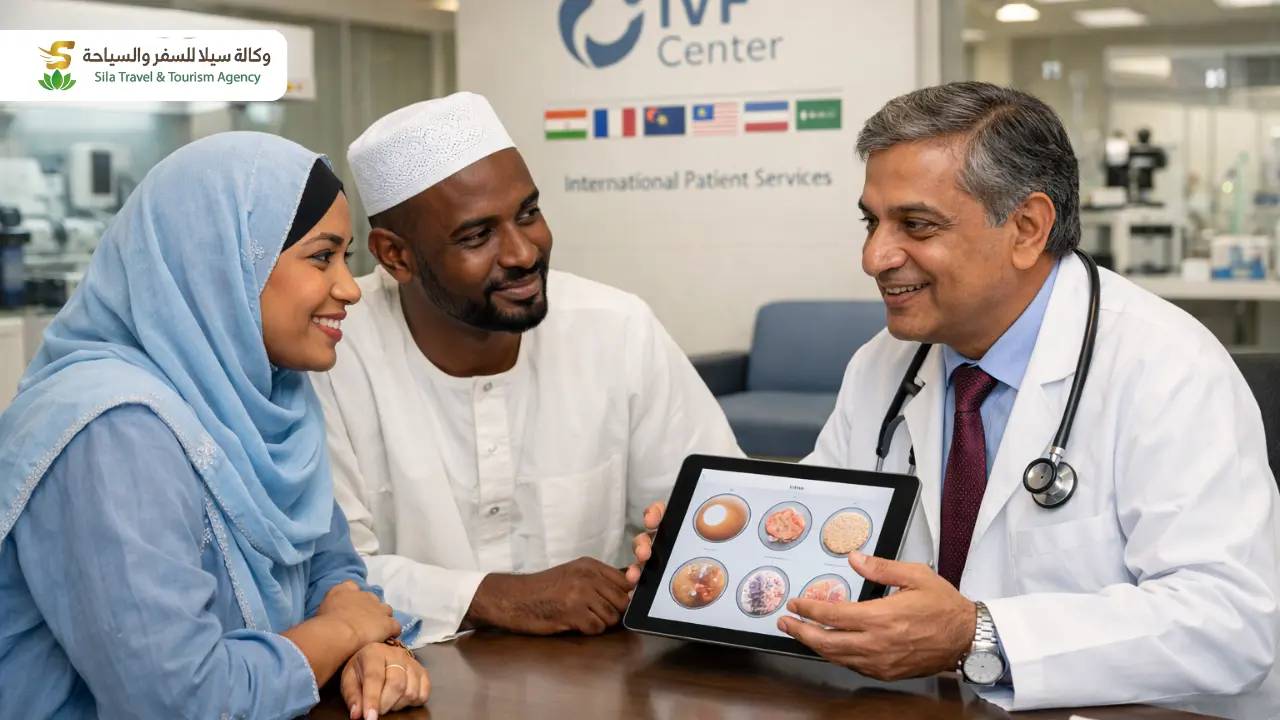
IVF Treatment in India for Sudanese Couples: A Complete Guide
Infertility is a common medical condition that affects millions of couples worldwide. According to the World Health Organization (WHO), infertility is defined as the inability to achieve pregnancy after 12 months of regular, unprotected sexual intercourse. The causes of infertility can be complex and may include hormonal imbalances, genetic conditions, infections, lifestyle factors, environmental exposure, and increasing maternal age. Beyond its medical impact, infertility often affects emotional wellbeing, relationships, social life, and financial stability, making timely and effective treatment essential.
What Is IVF and How Does It Help?
In vitro fertilization (IVF) is one of the most advanced and successful assisted reproductive technologies available today. In IVF, fertilization occurs outside the body in a controlled laboratory environment, where an egg is combined with sperm to create an embryo. The resulting embryo is then transferred into the uterus to achieve pregnancy. IVF is particularly effective in cases such as blocked fallopian tubes, low sperm count or motility, endometriosis, polycystic ovary syndrome (PCOS), and unexplained infertility. Modern IVF techniques can also include ICSI, blastocyst transfer, genetic testing, and embryo freezing to improve success rates.
Despite its effectiveness, IVF is not easily accessible in many countries due to high costs, limited availability, or lack of specialized expertise. The cost and success of IVF vary significantly depending on the country, clinic standards, technology used, and experience of the medical team. For many Sudanese couples, these barriers make local IVF treatment challenging, which is why India has become a preferred destination.
Why India Is a Preferred IVF Destination for Sudanese Patients
India has emerged as a global leader in fertility treatment, offering high-quality IVF care at significantly lower costs. On average, IVF treatment in India ranges between USD 3,200 and USD 4,500 per cycle, compared to USD 10,000 to 15,000 in many Western countries. Even after including travel, accommodation, and visa expenses, the overall cost remains far more affordable. India is home to more than 500 registered IVF clinics, many located in major cities such as Delhi, Mumbai, Chennai, Hyderabad, and Bangalore, making access convenient for international patients.
The quality of care in India is another major advantage. Indian fertility specialists are internationally trained and follow globally accepted protocols. Many clinics use advanced technologies such as ICSI, preimplantation genetic testing (PGT), vitrification for embryo freezing, and blastocyst culture. IVF success rates in India typically range between 60% and 75%, depending on age, diagnosis, and treatment approach, which is comparable to or better than many developed countries.
Legal, Ethical, and Cultural Considerations
India offers a structured legal framework for assisted reproductive treatments through the Assisted Reproductive Technology (Regulation) Act. This framework regulates IVF clinics, protects patient rights, and prohibits unethical practices such as sex selection and embryo trading. India also allows regulated egg and sperm donation and fertility preservation, giving patients more treatment options. However, patients are advised to seek legal and medical guidance before opting for donor or advanced reproductive services.
Culturally, India is known for its hospitality and long history of welcoming international medical travelers. Sudanese patients often find India accommodating, respectful, and supportive during their treatment journey. While cultural differences in food, language, or customs may exist, most international patient departments provide assistance to ensure comfort and understanding throughout the stay.
Challenges and Risks to Consider
Like any medical procedure, IVF carries certain risks, including ovarian hyperstimulation syndrome, multiple pregnancies, miscarriage, and preterm delivery. Choosing a reputable clinic and experienced doctor significantly reduces these risks. Legal considerations such as consent, documentation, and post-treatment responsibilities should also be clearly discussed in advance to avoid misunderstandings.
How Sila Medical Tourism Supports Sudanese IVF Patients
At Sila Medical Tourism, we guide Sudanese couples through every step of their IVF journey in India. From selecting accredited IVF centers and experienced fertility specialists to visa assistance, travel planning, accommodation, and post-treatment follow-up, our team ensures a smooth, transparent, and stress-free experience. We work closely with trusted fertility hospitals to help patients make informed decisions based on medical needs, age, and treatment goals.
Conclusion
IVF treatment in India offers Sudanese couples an effective, affordable, and high-quality pathway to parenthood. With advanced medical expertise, ethical practices, and comprehensive support through Sila Medical Tourism, patients can pursue fertility treatment with confidence, clarity, and hope.
Get Free Medical Consultation
Fill the form and our team will connect with you instantly.