Male Infertility: How Andrology Can Help You Become a Parent

When a couple struggles to conceive, many people instinctively assume the problem lies with the woman. However, modern fertility research tells a very different story. Nearly 40–50% of infertility cases involve male factors, either alone or in combination with female fertility issues.

This is where Andrology plays a crucial role.

Andrology is the branch of medicine dedicated to diagnosing and treating male reproductive health and fertility disorders. From low sperm count and poor sperm motility to hormonal imbalances and erectile dysfunction, andrology helps identify the underlying causes of male infertility and provides personalized treatment options.

At Sila Med Tour, we connect international patients with India’s leading fertility centers that offer advanced andrology services alongside IVF, ICSI, sperm retrieval procedures, fertility preservation, and assisted reproductive technologies.

If you’ve been trying to conceive without success, understanding male fertility could be the missing piece of your journey.

What Is Andrology?

Andrology is the medical specialty focused on the diagnosis, treatment, and management of disorders affecting the male reproductive system.

An andrologist specializes in evaluating:

  • Male infertility
  • Low sperm count
  • Poor sperm motility
  • Abnormal sperm morphology
  • Hormonal disorders
  • Erectile dysfunction
  • Ejaculatory disorders
  • Varicocele
  • Testicular disorders
  • Male sexual health

Unlike general fertility evaluations, andrology provides a comprehensive assessment of male reproductive health to identify treatable conditions that may be affecting fertility.

Why Male Fertility Should Never Be Overlooked

One of the biggest misconceptions about infertility is that it is primarily a female issue.

In reality:

  • About one-third of infertility cases are related primarily to male factors.
  • Another one-third involve female factors.
  • The remaining cases involve both partners or unexplained infertility.

This is why fertility specialists recommend evaluating both partners simultaneously, rather than focusing on one partner alone.

Early diagnosis can save valuable time, reduce unnecessary treatments, and improve the chances of successful conception.

Common Causes of Male Infertility

Male infertility can result from various medical and lifestyle factors.

Some of the most common causes include:

Low Sperm Count

A reduced number of sperm decreases the likelihood of successful fertilization.

Poor Sperm Motility

Even if sperm numbers are normal, sperm may not swim efficiently enough to reach and fertilize the egg.

Abnormal Sperm Morphology

Irregular sperm shape may affect the sperm’s ability to penetrate the egg.

Varicocele

Enlarged veins around the testicles can increase temperature and negatively impact sperm production.

Hormonal Imbalances

Low testosterone or disorders affecting reproductive hormones may interfere with sperm production.

Genetic Conditions

Certain inherited disorders can impair fertility and may require specialized evaluation.

Lifestyle Factors

Smoking, excessive alcohol consumption, obesity, chronic stress, poor diet, environmental toxins, and certain medications can all affect sperm quality.

When Should You See an Andrologist?

You should consider consulting an andrologist if:

  • You have been trying to conceive for more than one year.
  • Your semen analysis shows abnormal results.
  • You have experienced repeated IVF or ICSI failure.
  • You have erectile or ejaculatory problems.
  • You have a history of testicular surgery or injury.
  • You have undergone chemotherapy or radiation therapy.
  • You have hormonal disorders or delayed puberty.
  • You wish to preserve fertility before cancer treatment.

Early evaluation often leads to earlier treatment and better outcomes.

Advanced Andrology Tests

Modern fertility centers in India offer comprehensive male fertility assessments.

These may include:

Semen Analysis

The first and most important test to evaluate sperm count, motility, morphology, and overall semen quality.

Sperm DNA Fragmentation Test

This specialized test evaluates the integrity of sperm DNA, which may influence embryo development and pregnancy outcomes in selected cases.

Hormonal Profile

Blood tests measure reproductive hormones such as:

  • Testosterone
  • FSH
  • LH
  • Prolactin
  • Thyroid hormones

Scrotal Ultrasound

Used to identify conditions such as varicocele, testicular abnormalities, or obstruction.

Genetic Testing

Recommended in selected patients with severe male infertility or repeated IVF failure.

Treatment Options in Andrology

Treatment depends entirely on the underlying cause.

Options may include:

Lifestyle Modification

Sometimes improving fertility begins with healthier habits:

  • Weight management
  • Smoking cessation
  • Reduced alcohol intake
  • Regular exercise
  • Balanced nutrition
  • Stress management

Medical Treatment

Hormonal therapy or medications may help improve sperm production in selected patients.

Varicocele Surgery

Surgical correction of varicocele may improve sperm quality in appropriate candidates.

Sperm Retrieval Procedures

When sperm are absent from the ejaculate, advanced procedures may be recommended, including:

  • PESA (Percutaneous Epididymal Sperm Aspiration)
  • TESA (Testicular Sperm Aspiration)
  • TESE (Testicular Sperm Extraction)
  • Micro-TESE

Retrieved sperm can often be used with ICSI.

Assisted Reproductive Technologies

Depending on the diagnosis, couples may benefit from:

  • IUI
  • IVF
  • ICSI
  • Donor sperm (when appropriate)

Andrology and IVF: Why They Go Hand in Hand

Many couples believe IVF alone can overcome every fertility problem.

However, treating male infertility before IVF can sometimes improve treatment outcomes.

Advanced andrology helps fertility specialists:

  • Identify correctable male factors
  • Improve sperm quality before IVF
  • Select the best sperm for ICSI
  • Reduce unnecessary IVF failures
  • Personalize treatment protocols

Rather than simply bypassing male infertility, modern fertility care aims to understand and address its underlying causes whenever possible.

Fertility Preservation for Men

Many men face medical conditions that may affect future fertility.

Fertility preservation is recommended before:

  • Cancer chemotherapy
  • Radiation therapy
  • Certain surgeries
  • Gender-affirming treatments
  • Occupations with high reproductive risk

Sperm freezing (cryopreservation) allows men to preserve their fertility for future family planning.

Why India Is a Leading Destination for Advanced Andrology

India has become one of the world’s preferred destinations for fertility treatment because of its combination of advanced technology, experienced specialists, and affordable care.

Leading fertility centers offer:

  • Dedicated Andrology Laboratories
  • WHO-standard semen analysis
  • Advanced sperm function testing
  • Surgical sperm retrieval
  • IVF and ICSI under one roof
  • Fertility preservation
  • International patient services

Compared with many Western countries, patients receive comprehensive fertility care at considerably lower costs while maintaining high clinical standards.

Leading Fertility Centers for Advanced Andrology in India

Zemya IVF & Fertility Clinics, New Delhi

Zemya IVF & Fertility Clinics provides comprehensive andrology services as part of its advanced fertility program. The clinic offers semen analysis, male fertility evaluation, sperm retrieval procedures, IVF, ICSI, fertility preservation, and personalized treatment plans designed for couples facing male factor infertility.

Zeeva Fertility Clinic, Delhi

Zeeva Fertility Clinic combines advanced andrology diagnostics with evidence-based fertility treatments. The clinic emphasizes individualized evaluation, comprehensive male fertility testing, and modern assisted reproductive technologies to improve pregnancy outcomes for couples struggling with infertility.

How Sila Med Tour Supports International Fertility Patients

Choosing the right fertility center is one of the most important decisions for couples seeking treatment abroad.

At Sila Med Tour, we simplify the journey by offering:

  • Free medical report review
  • Hospital and fertility specialist selection
  • Treatment cost estimates
  • Online consultation scheduling
  • Medical visa assistance
  • Airport pickup
  • Accommodation arrangements
  • Arabic and multilingual interpreters
  • Dedicated patient coordinators

Our goal is to ensure every couple receives compassionate guidance and access to trusted fertility specialists in India.

Final Thoughts

Infertility is a shared journey, and successful treatment begins with evaluating both partners. Andrology has transformed the way male infertility is diagnosed and managed, offering advanced testing and personalized treatments that can significantly improve the chances of conception.

Whether the solution involves lifestyle changes, medication, surgical treatment, sperm retrieval, or assisted reproductive technologies, early evaluation by an experienced andrologist can make a meaningful difference.

At Sila Med Tour, we help international couples connect with India’s leading fertility experts and advanced andrology centers, ensuring access to comprehensive care and evidence-based treatment every step of the way.

If you and your partner are struggling to conceive, don’t overlook the importance of male fertility. A thorough andrology assessment could be the first step toward achieving your dream of parenthood.

FAQs

1. What is andrology, and how does it help with infertility?
Andrology is the branch of medicine that focuses on male reproductive health. It helps diagnose and treat conditions such as low sperm count, poor sperm motility, hormonal imbalances, and other causes of male infertility.

2. When should a man consult an andrologist?
Men should consider seeing an andrologist if they have been trying to conceive for over a year, have abnormal semen analysis results, experience sexual dysfunction, or have a history of reproductive or hormonal disorders.

3. What tests are performed during a male fertility evaluation?
A comprehensive evaluation may include semen analysis, sperm DNA fragmentation testing, hormone tests, scrotal ultrasound, and genetic testing, depending on the individual’s medical history.

4. Can male infertility be treated without IVF?
Yes. Depending on the cause, treatment may involve lifestyle changes, medication, hormonal therapy, or surgery. Some men can achieve natural conception after appropriate treatment, while others may require assisted reproductive techniques such as IUI, IVF, or ICSI.

5. Why choose India for advanced andrology treatment?
India offers experienced fertility specialists, dedicated andrology laboratories, advanced diagnostic technologies, surgical sperm retrieval procedures, and affordable treatment costs, making it a preferred destination for international patients seeking comprehensive male fertility care.
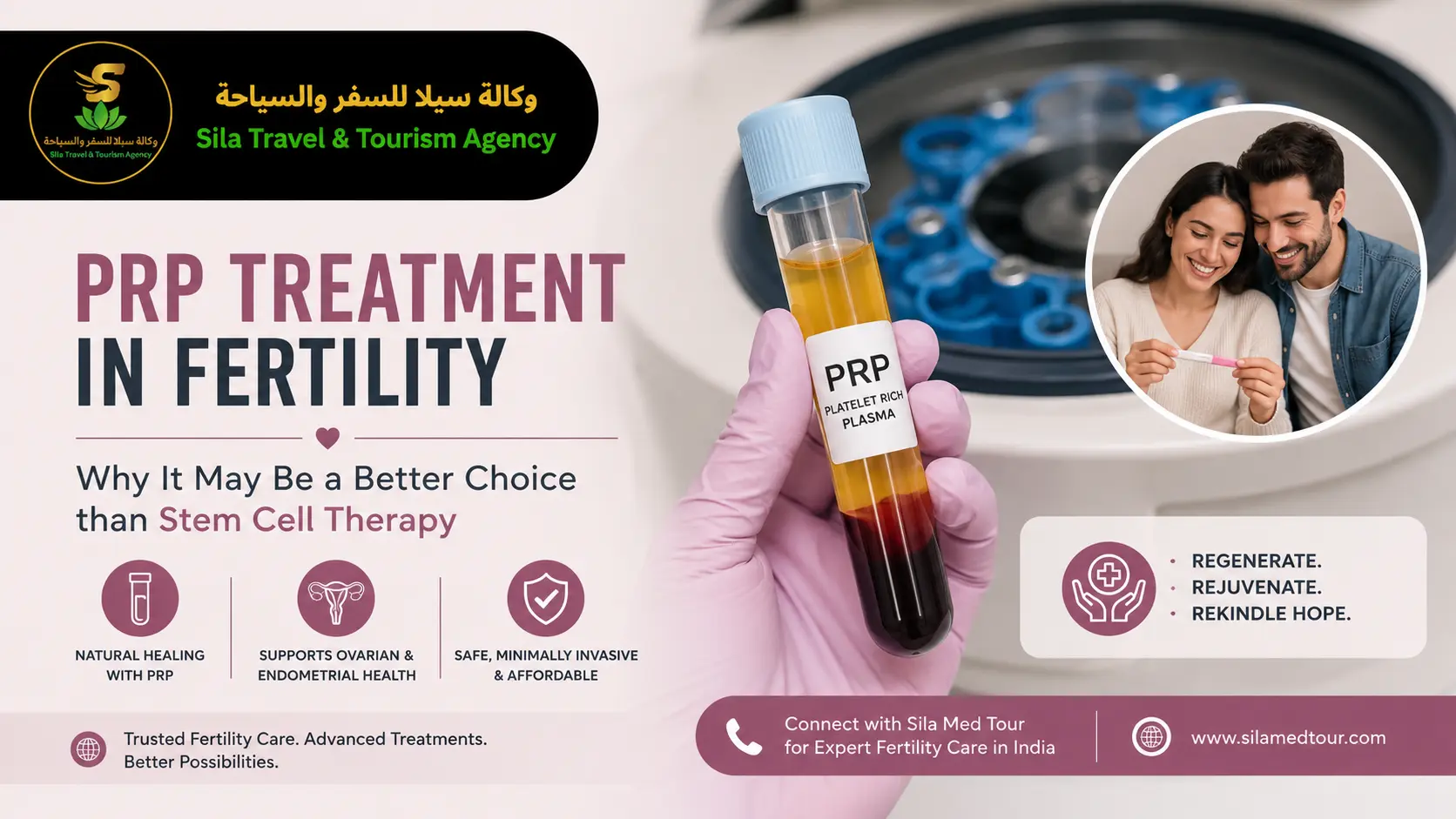

PRP vs. Stem Cell Therapy in Fertility: Why More Couples Are Choosing PRP Treatment

When couples struggle with infertility, every new treatment brings hope—but also questions. In recent years, two regenerative therapies have gained attention in reproductive medicine: Platelet-Rich Plasma (PRP) Therapy and Stem Cell Therapy.

Both aim to improve reproductive health by encouraging tissue repair and regeneration. However, they are not the same. PRP has become increasingly popular because it is minimally invasive, uses the patient’s own blood, is more affordable, and has a growing body of clinical research supporting its use in carefully selected fertility patients.

At Sila Med Tour, we help international patients connect with leading fertility specialists in India who offer evidence-based fertility treatments, including PRP therapy for ovarian rejuvenation and endometrial enhancement.

In this guide, we’ll explain how PRP works, who may benefit from it, how it compares with stem cell therapy, and why many fertility specialists consider PRP the more practical option for selected patients.

What Is PRP Therapy?

Platelet-Rich Plasma (PRP) is a concentrated preparation of platelets obtained from the patient’s own blood.

A small amount of blood is collected and processed using a centrifuge to separate plasma that contains a high concentration of platelets.

These platelets release numerous natural growth factors that support tissue healing and regeneration.

Because PRP is created from the patient’s own blood, the risk of allergic reactions or rejection is extremely low.

How Does PRP Work in Fertility?

Platelets contain biologically active proteins called growth factors that help repair damaged tissues and promote healing.

When PRP is injected into carefully selected reproductive tissues, these growth factors may help improve the local biological environment.

Researchers believe PRP may support:

  • Tissue repair
  • Formation of new blood vessels
  • Improved blood circulation
  • Cellular communication
  • Local healing response

In fertility medicine, PRP is mainly used for:

Ovarian Rejuvenation

PRP may be considered in women with:

  • Diminished ovarian reserve
  • Low AMH
  • Poor ovarian response
  • Premature ovarian insufficiency (selected cases)

Its goal is to improve ovarian function, although outcomes vary and evidence is still evolving.

Endometrial Rejuvenation

Some women experience repeated IVF failure because the uterine lining remains thin despite medication.

PRP may help improve:

  • Endometrial thickness
  • Blood supply
  • Implantation environment

This may improve the chances of embryo implantation in selected patients.

Who May Benefit from PRP Fertility Treatment?

PRP is not recommended for every infertility patient.

Fertility specialists may consider PRP for women with:

  • Low ovarian reserve
  • Thin endometrium
  • Recurrent implantation failure
  • Poor IVF response
  • Previous unsuccessful IVF cycles
  • Age-related decline in ovarian function

Each patient requires an individual evaluation before treatment.

What Is Stem Cell Therapy in Fertility?

Stem cell therapy uses specialized cells capable of developing into different tissue types.

Researchers are investigating whether stem cells can regenerate ovarian tissue and improve reproductive function.

While this field is exciting, fertility-related stem cell therapy is still considered experimental in many countries.

Large clinical studies are still ongoing to determine:

  • Long-term safety
  • Effectiveness
  • Standardized treatment protocols
  • Appropriate patient selection

For this reason, stem cell therapy is not routinely recommended for infertility outside approved clinical settings in many regions.

PRP vs Stem Cell Therapy: What’s the Difference?

FeaturePRP TherapyStem Cell Therapy
SourcePatient’s own bloodStem cells from bone marrow, fat tissue, or other sources
InvasivenessMinimally invasiveMore complex procedure
SafetyVery low risk of rejectionDepends on source and technique
Procedure TimeUsually completed within 1–2 hoursOften more time-consuming
RecoveryMinimal downtimeVariable
CostMore affordableSignificantly more expensive
Clinical UseIncreasingly offered in selected fertility casesStill largely investigational for infertility

Is PRP Better Than Stem Cell Therapy?

This question deserves a careful answer.

PRP is not universally “better” than stem cell therapy for every patient. The two treatments are different, and stem cell therapy for fertility remains under active investigation.

However, for many women currently seeking fertility treatment, PRP is often the more practical and accessible option because:

  • It uses the patient’s own blood.
  • It is minimally invasive.
  • It has a well-established safety profile when performed appropriately.
  • It is less expensive.
  • It can usually be completed as an outpatient procedure.
  • It is already offered by many experienced fertility centers for selected indications.

By contrast, fertility-related stem cell therapy remains investigational in many parts of the world, with ongoing research to better define its role.

The choice between treatments should always be based on a fertility specialist’s evaluation rather than marketing claims.

Can PRP Improve IVF Success?

This is one of the most common questions couples ask.

The answer is:

Possibly—but not for everyone.

Some studies suggest PRP may improve:

  • Endometrial thickness in women with a thin uterine lining
  • Ovarian response in selected patients with diminished ovarian reserve
  • Embryo implantation conditions in carefully selected cases

However, PRP does not guarantee pregnancy or IVF success. IVF outcomes depend on many factors, including age, embryo quality, sperm quality, uterine health, and overall reproductive status.

PRP should be viewed as a supportive treatment that may benefit selected patients, not as a replacement for IVF or a guaranteed solution.

Why India Has Become a Leading Destination for PRP Fertility Treatment

India has become one of the preferred destinations for advanced fertility care because it combines experienced reproductive specialists, state-of-the-art IVF laboratories, innovative fertility treatments, and affordable healthcare. International patients from the Middle East, Africa, and Central Asia increasingly choose India for personalized fertility care and high-quality IVF services.

Leading fertility centers in India offer:

  • Comprehensive fertility evaluation
  • Advanced IVF and ICSI programs
  • PRP ovarian rejuvenation
  • PRP treatment for thin endometrium
  • Embryo freezing and fertility preservation
  • Genetic testing (when indicated)
  • International patient assistance

Leading IVF Centers Offering PRP Therapy in India

Zemya IVF & Fertility Clinics, New Delhi

Zemya IVF & Fertility Clinics is one of the emerging fertility centers in New Delhi, offering advanced reproductive treatments, including PRP therapy for ovarian rejuvenation and endometrial enhancement. The clinic focuses on personalized fertility care, modern embryology laboratories, and evidence-based treatment protocols. Couples with diminished ovarian reserve, recurrent IVF failure, or thin endometrium can receive individualized evaluation to determine whether PRP therapy may be beneficial as part of their fertility treatment plan.

Zeeva Fertility Clinic, Delhi

Zeeva Fertility Clinic is known for its patient-centered approach and advanced fertility solutions. The clinic offers PRP therapy as an adjunct treatment for selected infertility cases, alongside IVF, ICSI, fertility preservation, and recurrent implantation failure management. Zeeva’s fertility specialists emphasize personalized treatment planning, transparent counseling, and the use of the latest reproductive technologies to maximize each couple’s chances of success.

Compared with many Western countries, patients receiving treatment at leading fertility centers in India benefit from internationally trained specialists, modern IVF laboratories, and significantly lower treatment costs without compromising quality.

Why Choose Sila Med Tour?

Choosing the right fertility center is one of the most important decisions for couples facing infertility.

At Sila Med Tour, we help international patients access some of India’s leading fertility specialists by providing:

  • Free medical report review
  • Personalized hospital recommendations
  • IVF and PRP treatment planning
  • Transparent treatment cost estimates
  • Medical visa assistance
  • Airport pickup and accommodation support
  • Arabic and multilingual interpretation
  • Dedicated patient coordinators throughout treatment

Our goal is to ensure that every couple receives honest guidance, personalized care, and access to evidence-based fertility treatment.

Final Thoughts

Regenerative medicine is opening exciting possibilities in fertility care, and PRP therapy has become one of the most promising supportive treatments for selected patients.

While stem cell therapy continues to be investigated in clinical research, PRP is already being used in many fertility centers as an adjunct treatment for women with diminished ovarian reserve, thin endometrium, or previous IVF failure.

The most important step is not choosing the newest treatment—it is choosing the right treatment for your specific condition.

If you are considering PRP therapy, IVF, or a second opinion after unsuccessful fertility treatment, consult an experienced fertility specialist to determine whether PRP is appropriate for your individual case.

At Sila Med Tour, we are committed to helping couples make informed decisions and connect with trusted fertility experts in India.

FAQs

1. What is PRP therapy in fertility treatment?
PRP (Platelet-Rich Plasma) therapy uses a concentrated portion of the patient’s own blood, rich in growth factors, to support ovarian or endometrial health in selected fertility cases.

2. Is PRP better than stem cell therapy for infertility?
PRP is not inherently better for every patient, but it is more widely used in fertility practice because it is minimally invasive, uses the patient’s own blood, has a favorable safety profile, and is more accessible. Stem cell therapy for infertility remains largely investigational.

3. Can PRP improve IVF success rates?
PRP may improve endometrial thickness or ovarian response in some carefully selected patients, but it does not guarantee IVF success or pregnancy. Treatment outcomes depend on many individual factors.

4. Who is a good candidate for PRP fertility treatment?
Women with diminished ovarian reserve, thin endometrium, poor ovarian response, recurrent implantation failure, or previous unsuccessful IVF cycles may be evaluated for PRP therapy by a fertility specialist.

5. Why choose India for PRP fertility treatment?
India offers experienced fertility specialists, advanced IVF laboratories, modern regenerative therapies, and affordable treatment costs, making it a preferred destination for international patients seeking personalized fertility care.

IVF Is Not Cheap, Not Easy, and Not Guaranteed—So How Should Couples Make the Right Decision?

One of the hardest conversations couples have before starting IVF often begins with a simple but painful question:

“What if we do everything, spend all this money, go through all the injections, tests, medicines, and emotional stress… and it still doesn’t work?”

It’s a question many couples ask quietly, sometimes even after they have already decided to begin treatment.

And honestly?

It’s a reasonable question.

Because IVF is not just another medical procedure. It is a journey that carries hope, expectations, uncertainty, and often years of emotional baggage.

By the time most couples reach an IVF clinic, they have already experienced disappointment. Some have spent years trying naturally. Others have undergone multiple treatments, surgeries, medications, or unsuccessful fertility procedures. Many have faced social pressure, family questions, and silent heartbreak that few people truly understand.

So if you feel anxious before IVF, you’re not being negative.

You’re being realistic.

The Truth Most Couples Need to Hear

Let’s start with something important:

IVF is one of the most effective fertility treatments available today.

But it is not a guarantee.

No fertility specialist, no matter how experienced, can ethically promise a pregnancy.

Why?

Because pregnancy is one of the most complex biological processes in medicine.

Success depends on many factors, including:

  • Female age
  • Egg quality
  • Ovarian reserve
  • Sperm quality
  • Embryo development
  • Uterine health
  • Hormonal balance
  • Lifestyle factors
  • Underlying medical conditions
  • Previous fertility history

And sometimes, despite all tests appearing normal, nature still has variables that medicine cannot completely predict.

This doesn’t mean IVF doesn’t work.

It simply means IVF is a probability-based treatment, not a certainty-based one.

The Wrong Question Most Couples Ask

Many couples focus on one question:

“What is your IVF success rate?”

While understandable, it is often not the most useful question.

A better question is:

“Based on our specific situation, what are our chances and what factors are working for or against us?”

Because fertility treatment is highly individualized.

A 28-year-old woman with healthy ovarian reserve and blocked fallopian tubes has a very different outlook than a 40-year-old woman with diminished ovarian reserve.

Similarly, a couple dealing primarily with male factor infertility requires a different strategy than a couple experiencing recurrent implantation failure.

General statistics rarely tell the full story.

Your fertility journey is personal.

Your treatment plan should be too.

Why IVF Sometimes Fails Even When Reports Look Normal

One of the most frustrating experiences for couples is hearing:

“Everything looks normal.”

And then facing a failed IVF cycle.

Understandably, many couples ask:

“If all our reports were normal, why didn’t it work?”

The answer is that fertility cannot be explained by a single test.

For example:

  • An embryo that appears healthy under a microscope may still carry genetic abnormalities.
  • A normal ultrasound may not reveal subtle issues affecting implantation.
  • Standard semen analysis may not detect sperm DNA fragmentation.
  • Good AMH levels indicate egg quantity, but not necessarily egg quality.
  • Hormonal reports may appear normal while other factors remain hidden.

Fertility is like a puzzle with many pieces.

Sometimes the missing piece only becomes visible after a deeper evaluation.

Before Starting IVF, Slow Down and Understand Your Diagnosis

Many couples feel pressure to move quickly.

But rushing into IVF without a complete diagnosis can lead to unnecessary disappointment.

A thorough fertility evaluation should include both partners.

This may involve:

For Women:

  • AMH testing
  • Hormonal evaluation
  • Ovulation assessment
  • Uterine evaluation
  • Fallopian tube assessment
  • Ultrasound monitoring

For Men:

  • Semen analysis
  • Sperm function testing
  • DNA fragmentation testing when indicated
  • Hormonal evaluation if required

Fertility is never only a woman’s issue or only a man’s issue.

It is a shared medical condition that requires a shared evaluation.

If IVF Has Failed Before, Don’t Repeat the Same Plan Blindly

One failed IVF cycle can be devastating emotionally.

But medically, it can also provide valuable information.

A previous cycle may reveal:

  • How the ovaries responded to stimulation
  • Egg maturity rates
  • Fertilization patterns
  • Embryo development quality
  • Implantation challenges
  • Endometrial response
  • Medication effectiveness

Instead of asking:

“When can we start the next IVF?”

Ask:

“What can we learn from the last IVF?”

This shift in thinking often leads to better decisions.

Because every unsuccessful cycle contains information that can improve future planning.

Comparing Your Story to Someone Else’s Can Be Misleading

One of the most damaging habits during fertility treatment is comparison.

You may hear:

“My cousin got pregnant in the first IVF.”

“My friend conceived after only one embryo transfer.”

“Someone with lower AMH succeeded immediately.”

But fertility doesn’t follow someone else’s timeline.

One couple may conceive in the first cycle.

Another may require embryo banking.

Another may benefit from genetic testing.

Another may need a completely different protocol.

Comparison creates anxiety.

Understanding creates confidence.

Talk About Cost Before Treatment Starts

IVF is not only emotionally demanding—it can also be financially significant.

This is why transparency matters.

Before starting treatment, couples should clearly understand:

  • What is included in the package
  • Which medications are extra
  • Whether embryo freezing is separate
  • Costs of genetic testing if needed
  • Additional procedures that may become necessary

Not every patient requires every advanced test or add-on.

A responsible fertility center should recommend treatments based on medical need—not routine upselling.

What Makes a Good Fertility Center?

The best fertility centers don’t sell hope.

They explain possibilities.

They take time to answer questions.

They review your history carefully.

They discuss limitations honestly.

And most importantly, they help you understand why a particular treatment is being recommended.

Good fertility care is not about making promises.

It is about creating a strategy.

When Is It Worth Seeking a Second Opinion?

A second opinion is not a sign of distrust.

It is a sign of due diligence.

Sometimes a fresh review can uncover:

  • Missed diagnostic clues
  • Alternative treatment approaches
  • Different stimulation protocols
  • Additional testing recommendations
  • Better timing strategies

Even small adjustments can sometimes make a meaningful difference.

IVF Doesn’t Need a Guarantee. It Needs a Plan.

Many couples begin IVF searching for certainty.

But certainty doesn’t exist in fertility medicine.

What does exist is something more useful:

A clear diagnosis.

A realistic expectation.

A personalized treatment strategy.

And a team willing to guide you honestly through every step.

If you are standing at the crossroads of hope and fear, remember this:

A failed cycle is not the end of the journey.

It is information.

It is feedback.

It is an opportunity to learn, adjust, and move forward with greater clarity.

Because success in fertility treatment is not about avoiding setbacks.

It is about making smarter decisions after them.

IVF may not come with guarantees.

But it should always come with understanding, transparency, and a well-thought-out plan.

FAQs: IVF Is Expensive, Emotional and Still Not Guaranteed

1. Is IVF guaranteed to work?
No. IVF is one of the most effective fertility treatments available today, but no fertility clinic can guarantee pregnancy. Success depends on factors such as age, egg quality, sperm quality, embryo development, uterine health, and overall reproductive health.

2. Why can IVF fail even when all reports seem normal?
Normal fertility reports do not always tell the complete story. Factors such as embryo genetics, implantation issues, sperm DNA quality, immune factors, or subtle uterine abnormalities may affect the outcome and are not always detected through routine testing.

3. What should couples do before starting IVF?
Couples should undergo a comprehensive fertility evaluation that includes both partners. Understanding the exact cause of infertility, discussing personalized success chances, and reviewing all treatment options can help create a more effective IVF strategy.

4. Does a failed IVF cycle mean future IVF attempts will also fail?
Not necessarily. A failed IVF cycle often provides valuable information about egg response, fertilization, embryo quality, and implantation. This information can help fertility specialists adjust the treatment plan and improve future chances of success.

5. When should couples consider getting a second opinion for IVF?
A second opinion may be beneficial after one or more failed IVF cycles, when the diagnosis is unclear, or when couples feel they have not received sufficient explanation about their treatment options. A fresh review can sometimes identify new approaches or overlooked factors that may improve outcomes.

IVF Cost in Delhi, India: Complete Guide for International Patients

Infertility can be an emotional and challenging journey for couples, especially when treatment options seem limited or unaffordable in their home countries. IVF (In Vitro Fertilization) has helped millions of couples worldwide achieve parenthood, but the high cost in countries like the UAE, UK, and USA often becomes a barrier.

Delhi, India, has emerged as one of the most trusted destinations for IVF treatment, offering advanced medical care, experienced fertility specialists, and significantly lower costs. With Sila Med Tour, international patients receive complete support throughout their journey—from medical consultation to successful treatment and follow-up care.

What is IVF and How Does It Work?

IVF (In Vitro Fertilization) is a process where eggs are fertilized with sperm in a laboratory. The resulting embryo is then transferred into the uterus to achieve pregnancy.

Step-by-Step IVF Process:

  1. Ovarian stimulation with hormonal injections
  2. Monitoring through ultrasound
  3. Egg retrieval procedure
  4. Fertilization (IVF or ICSI)
  5. Embryo development in the lab
  6. Embryo transfer into the uterus
  7. Pregnancy test after 12–14 days

For male infertility cases, IVF is often combined with ICSI (Intracytoplasmic Sperm Injection), which significantly improves fertilization chances.

IVF Cost in Delhi – Detailed Breakdown

One of the biggest advantages of choosing India is affordability without compromising quality.

Average IVF Cost in Delhi (USD)

TreatmentCost Range
Basic IVF Cycle3,200 – 3,500
IVF + ICSI3,400 – 4,000
Donor Egg IVF5,000 – 6,500
Frozen Embryo Transfer (FET)800 – 1,500
Medicines & Hormones300 – 800

Total Estimated Cost: 3,500 – 5,000 USD

Compared to international pricing, patients can save 60–70% on treatment costs.

What Factors Affect IVF Cost?

The final cost of IVF varies depending on several medical and clinical factors:

  • Age of the female partner
  • Hormonal profile and ovarian reserve (AMH levels)
  • Need for ICSI or advanced procedures
  • Requirement of donor eggs or sperm
  • Number of IVF cycles needed
  • Genetic testing (PGT)
  • Medications and response to stimulation

At Sila Med Tour, every patient receives a personalized treatment plan and transparent cost estimate before traveling.

Success Rates of IVF in Delhi

Success rates depend on multiple factors, particularly age and overall reproductive health.

  • Women under 35: up to 60–70% success rate
  • Women 35–40: moderate success
  • Women above 40: lower success, may require donor eggs

Advanced technologies like ICSI, embryo freezing, and genetic testing significantly improve outcomes.

Why Choose Delhi for IVF Treatment?

Delhi has become a leading IVF hub due to:

  • Highly experienced fertility specialists
  • Advanced embryology laboratories
  • International-standard treatment protocols
  • No waiting time for procedures
  • Easy international travel connectivity

Patients receive the same quality of treatment as in Western countries, at a much lower cost.

Why Choose Sila Med Tour?

For international patients, traveling abroad for treatment can be overwhelming. Sila Med Tour simplifies the entire process.

Our Key Services:

  • Free consultation and case evaluation
  • Selection of the best IVF centre based on your case
  • Transparent pricing with no hidden costs
  • Visa assistance and travel planning
  • Airport pickup and accommodation support
  • Arabic-speaking coordinators
  • 24/7 patient assistance

We focus on delivering a smooth, confidential, and culturally comfortable experience, especially for patients from Arab and African regions.

Special Considerations for Arab & African Patients

  • Full privacy and confidentiality
  • Treatment aligned with Islamic guidelines
  • Availability of halal food
  • Language support (Arabic & English)
  • Genetic testing options for hereditary conditions

These factors make India a comfortable and trusted destination for fertility treatment.

Duration of Stay in India

  • Complete IVF cycle: 18–21 days
  • Option to freeze embryos and return later
  • Flexible planning for couples traveling separately

Additional Costs to Consider

Apart from treatment, patients should budget for:

  • Accommodation: approx. USD 600/month
  • Food and daily expenses
  • Local transportation
  • Flights (depending on country)

Sila Med Tour helps optimize these costs with affordable options near hospitals.

Conclusion

IVF treatment in Delhi offers a powerful combination of advanced medical technology, experienced specialists, and affordable pricing. For couples struggling with infertility, it provides a realistic and accessible path to parenthood.

With the support of Sila Med Tour, patients receive more than just treatment—they gain a trusted partner who manages every detail of their journey. From initial consultation to post-treatment follow-up, every step is handled with care and professionalism.

Taking the first step toward IVF consultation could be the beginning of a life-changing journey toward parenthood.

Frequently Asked Questions (FAQs)

1. How much does IVF cost in Delhi, India?
The average cost of IVF in Delhi ranges between USD 3,200 to 5,000 for a complete cycle, depending on the patient’s condition and additional procedures like ICSI or donor programs.

2. Why is IVF cheaper in India compared to other countries?
IVF in India is more affordable due to lower operational costs, favorable currency exchange, and high patient volume—while still maintaining international standards of care.

3. What is included in an IVF package in India?
Most IVF packages include doctor consultation, egg retrieval, fertilization (IVF/ICSI), embryo transfer, and basic medications. Additional services like genetic testing or donor programs may cost extra.

4. How long do I need to stay in India for IVF treatment?
A complete IVF cycle usually requires a stay of 18–21 days. However, options like embryo freezing can reduce travel time for couples.

5. What are the success rates of IVF in Delhi?
Success rates can go up to 60–70% for women under 35, depending on medical condition, clinic expertise, and treatment approach.

IVF Treatment in India for Sudanese Couples: A Complete Guide

Infertility is a common medical condition that affects millions of couples worldwide. According to the World Health Organization (WHO), infertility is defined as the inability to achieve pregnancy after 12 months of regular, unprotected sexual intercourse. The causes of infertility can be complex and may include hormonal imbalances, genetic conditions, infections, lifestyle factors, environmental exposure, and increasing maternal age. Beyond its medical impact, infertility often affects emotional wellbeing, relationships, social life, and financial stability, making timely and effective treatment essential.

What Is IVF and How Does It Help?

In vitro fertilization (IVF) is one of the most advanced and successful assisted reproductive technologies available today. In IVF, fertilization occurs outside the body in a controlled laboratory environment, where an egg is combined with sperm to create an embryo. The resulting embryo is then transferred into the uterus to achieve pregnancy. IVF is particularly effective in cases such as blocked fallopian tubes, low sperm count or motility, endometriosis, polycystic ovary syndrome (PCOS), and unexplained infertility. Modern IVF techniques can also include ICSI, blastocyst transfer, genetic testing, and embryo freezing to improve success rates.

Despite its effectiveness, IVF is not easily accessible in many countries due to high costs, limited availability, or lack of specialized expertise. The cost and success of IVF vary significantly depending on the country, clinic standards, technology used, and experience of the medical team. For many Sudanese couples, these barriers make local IVF treatment challenging, which is why India has become a preferred destination.

Why India Is a Preferred IVF Destination for Sudanese Patients

India has emerged as a global leader in fertility treatment, offering high-quality IVF care at significantly lower costs. On average, IVF treatment in India ranges between USD 3,200 and USD 4,500 per cycle, compared to USD 10,000 to 15,000 in many Western countries. Even after including travel, accommodation, and visa expenses, the overall cost remains far more affordable. India is home to more than 500 registered IVF clinics, many located in major cities such as Delhi, Mumbai, Chennai, Hyderabad, and Bangalore, making access convenient for international patients.

The quality of care in India is another major advantage. Indian fertility specialists are internationally trained and follow globally accepted protocols. Many clinics use advanced technologies such as ICSI, preimplantation genetic testing (PGT), vitrification for embryo freezing, and blastocyst culture. IVF success rates in India typically range between 60% and 75%, depending on age, diagnosis, and treatment approach, which is comparable to or better than many developed countries.

Legal, Ethical, and Cultural Considerations

India offers a structured legal framework for assisted reproductive treatments through the Assisted Reproductive Technology (Regulation) Act. This framework regulates IVF clinics, protects patient rights, and prohibits unethical practices such as sex selection and embryo trading. India also allows regulated egg and sperm donation and fertility preservation, giving patients more treatment options. However, patients are advised to seek legal and medical guidance before opting for donor or advanced reproductive services.

Culturally, India is known for its hospitality and long history of welcoming international medical travelers. Sudanese patients often find India accommodating, respectful, and supportive during their treatment journey. While cultural differences in food, language, or customs may exist, most international patient departments provide assistance to ensure comfort and understanding throughout the stay.

Challenges and Risks to Consider

Like any medical procedure, IVF carries certain risks, including ovarian hyperstimulation syndrome, multiple pregnancies, miscarriage, and preterm delivery. Choosing a reputable clinic and experienced doctor significantly reduces these risks. Legal considerations such as consent, documentation, and post-treatment responsibilities should also be clearly discussed in advance to avoid misunderstandings.

How Sila Medical Tourism Supports Sudanese IVF Patients

At Sila Medical Tourism, we guide Sudanese couples through every step of their IVF journey in India. From selecting accredited IVF centers and experienced fertility specialists to visa assistance, travel planning, accommodation, and post-treatment follow-up, our team ensures a smooth, transparent, and stress-free experience. We work closely with trusted fertility hospitals to help patients make informed decisions based on medical needs, age, and treatment goals.

Conclusion

IVF treatment in India offers Sudanese couples an effective, affordable, and high-quality pathway to parenthood. With advanced medical expertise, ethical practices, and comprehensive support through Sila Medical Tourism, patients can pursue fertility treatment with confidence, clarity, and hope.

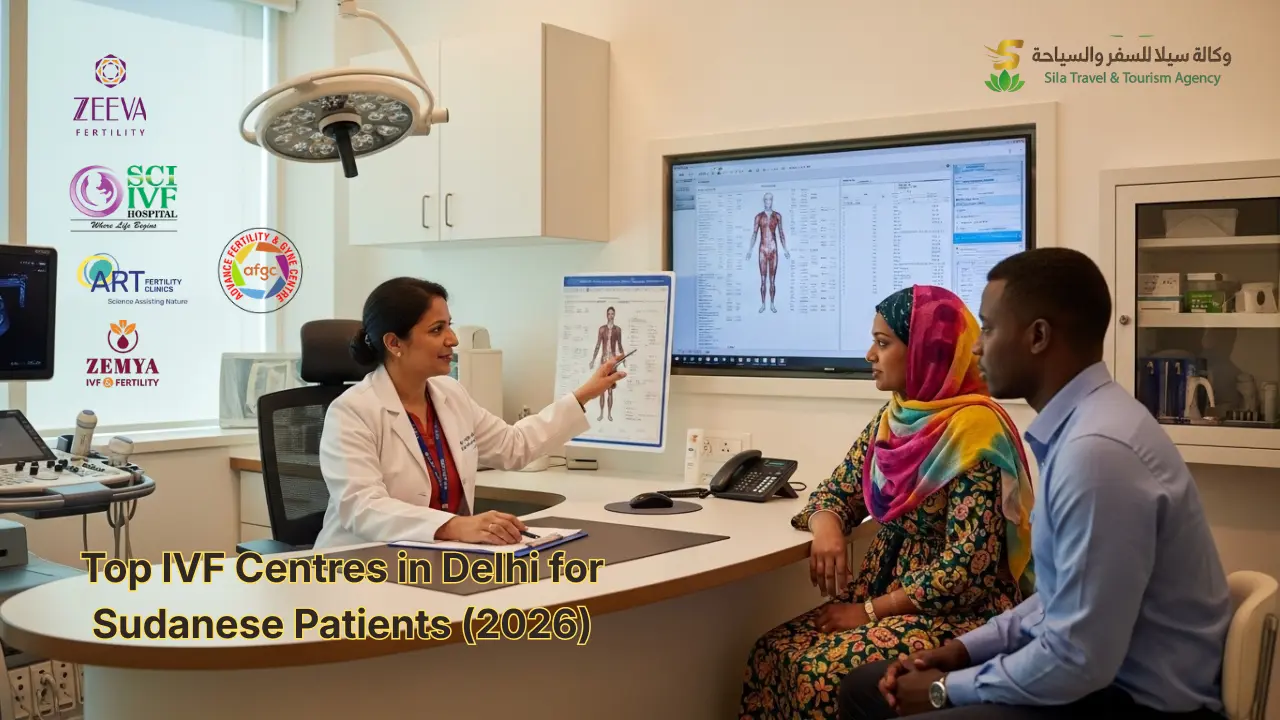
Top 5 Best IVF Centres in Delhi for Sudanese Patients (2026)

Infertility is a sensitive challenge faced by many couples, and finding the right treatment can be a difficult journey. In recent years, India has become one of the most trusted destinations for IVF treatment, especially for patients from Sudan and other African countries. Delhi, the capital of India, is home to some of the most advanced fertility centres offering high success rates, experienced doctors, and affordable treatment options.

Many Sudanese couples choose Delhi for IVF because it combines modern medical technology, internationally trained fertility specialists, and treatment costs that are far lower than in many other countries. With the right guidance and support, couples can receive world class fertility care while feeling comfortable and supported throughout their stay.

Here are five of the most trusted IVF centres in Delhi that are popular among Sudanese patients seeking fertility treatment in India.

1. Zeeva Fertility Clinic, Delhi

Zeeva Fertility Clinic is widely known for its patient focused fertility care and advanced reproductive technologies. The clinic offers comprehensive fertility services including IVF, ICSI, IUI, egg freezing, and treatment for male infertility.

What makes Zeeva Fertility stand out is its personalized approach. Each couple receives a treatment plan tailored to their medical condition, fertility history, and age. The clinic uses modern IVF laboratories and advanced diagnostic tools to improve success rates.

Many international couples appreciate the clinic’s transparency and supportive care during the fertility journey. The experienced fertility specialists and embryology team have helped many couples successfully achieve pregnancy through IVF treatment.

2. SCI IVF Hospital, Delhi

SCI IVF Hospital is one of the most recognized fertility centres in Delhi and is led by fertility specialist Dr. Shivani Sachdev Gour. The clinic is known for its advanced IVF treatments and experience in complex infertility cases.

SCI IVF provides a wide range of fertility services including IVF, ICSI, fertility preservation, egg donation, and advanced reproductive genetics. The clinic follows international treatment standards and uses modern laboratory technologies to ensure safe and effective results.

One of the reasons many international patients trust SCI IVF is the doctor’s close involvement in every stage of treatment, from consultation and diagnosis to embryo transfer.

3. ART Fertility Clinics, Delhi

ART Fertility Clinics is an internationally recognized fertility network with centres in several countries. The Delhi centre is known for its advanced laboratory technology and evidence based fertility treatments.

The clinic offers a wide range of assisted reproductive treatments including IVF, ICSI, genetic testing, fertility preservation, and donor programs. Their modern embryology laboratories use advanced systems designed to improve safety and success rates.

ART Fertility Clinics combines international medical standards with experienced fertility specialists, making it a strong option for couples seeking reliable fertility care.

4. Zemya IVF & Fertility Clinic, Delhi

Zemya IVF & Fertility Clinic is a well regarded fertility centre located in South Delhi. The clinic focuses on providing personalized fertility care supported by modern reproductive technologies.

The centre offers services such as IVF, ICSI, fertility evaluation, and treatment for male infertility. With experienced fertility specialists and modern laboratory infrastructure, Zemya IVF aims to improve pregnancy outcomes while keeping treatment accessible and affordable.

The clinic’s patient friendly environment and individualized treatment plans make it a good option for couples seeking supportive fertility care.

5. Advance Fertility Clinic, Delhi

Advance Fertility Clinic is another respected fertility centre in Delhi known for its comprehensive infertility treatments. The clinic provides services including IVF, ICSI, IUI, fertility preservation, and hormonal fertility treatments.

The medical team focuses on understanding each couple’s fertility challenges and creating a personalized treatment plan to improve success rates. The clinic also provides counseling and support throughout the treatment process, helping couples navigate the emotional aspects of fertility treatment.

Why Sudanese Patients Choose IVF Treatment in Delhi

There are several reasons why many couples from Sudan choose Delhi for fertility treatment:

High Quality Medical Care
Fertility centres in Delhi use advanced IVF laboratories and modern reproductive technologies that help improve success rates.

Experienced Fertility Specialists
Many fertility doctors in Delhi have international training and extensive experience in treating complex infertility cases.

Affordable Treatment Costs
IVF treatment in India is significantly more affordable compared to many other countries, making it accessible for international patients.

Comprehensive Patient Support
Many fertility centres provide complete care including diagnosis, treatment, counseling, and follow up support.

IVF Treatment in Delhi for Sudanese Patients with Sila Medtour

Traveling abroad for medical treatment can feel overwhelming, especially for couples seeking fertility care. Sila Medtour specializes in helping Sudanese patients receive safe and trusted IVF treatment in Delhi.

The team provides complete assistance throughout the medical journey, including doctor consultations, treatment planning, medical visa assistance, airport pickup, accommodation arrangements, and language support when needed.

By connecting Sudanese patients with some of the best IVF centres in Delhi, Sila Medtour ensures that couples receive high quality fertility treatment with compassionate support at every step.

For couples hoping to start or grow their family, Delhi offers advanced fertility care, experienced specialists, and a supportive environment to help make the dream of parenthood a reality.

Get Free Medical Consultation

Fill the form and our team will connect with you instantly.